A Lee County that works for everyone
One idea in three parts: growth should pay its own way, everyday life should get easier, and clean water is not negotiable.
Growth
The government subsidizes sprawl and calls it growth
Lee County’s growth is not an accident. Federal, state, and county government all pay to make sprawl look profitable. It is not. Every time the county approves another subdivision on the edge of town, it signs up for a maintenance bill that never ends.
Here is how the subsidy works:
- The county charges builders far less than what new roads, pipes, and parks really cost. The difference comes out of your taxes.
- The county builds and widens roads to reach new subdivisions. Existing residents pay for roads they will never use.
- Government-backed flood insurance hides the real risk of building in flood-prone areas. Building there looks safe on paper. It is not.
All this growth should be filling the county’s coffers. Instead, budgets stay tight. That is because new homes bring tax money up front, but the bills come later. Every new road, pipe, and pond has to be maintained forever. Those costs land on future budgets. That means they land on you.
I am not against growth. I am against growth that sends you the bill. New development should cover the costs it creates. That means impact fees that match real costs. It means building in and up, not endlessly out. It means keeping Conservation 20/20 fully funded. When growth pays for itself, residents stop paying for someone else’s profit.
Everyday life
Everyday life should be getting easier, not harder
You feel it every day. Crowded roads, dangerous crossings, errands that take an hour longer than they should. The county’s default answer is one more lane, and that answer keeps failing.
I want to plan ahead instead of patching later. That means safer corridors, real transportation options, and neighborhoods where work, school, and shopping are closer together so you’re not forced onto the road for everything. It also means parks that are maintained, splash pads that work, and public spaces that actually serve the people around them.
Clean water
Clean water is our economy and our safety
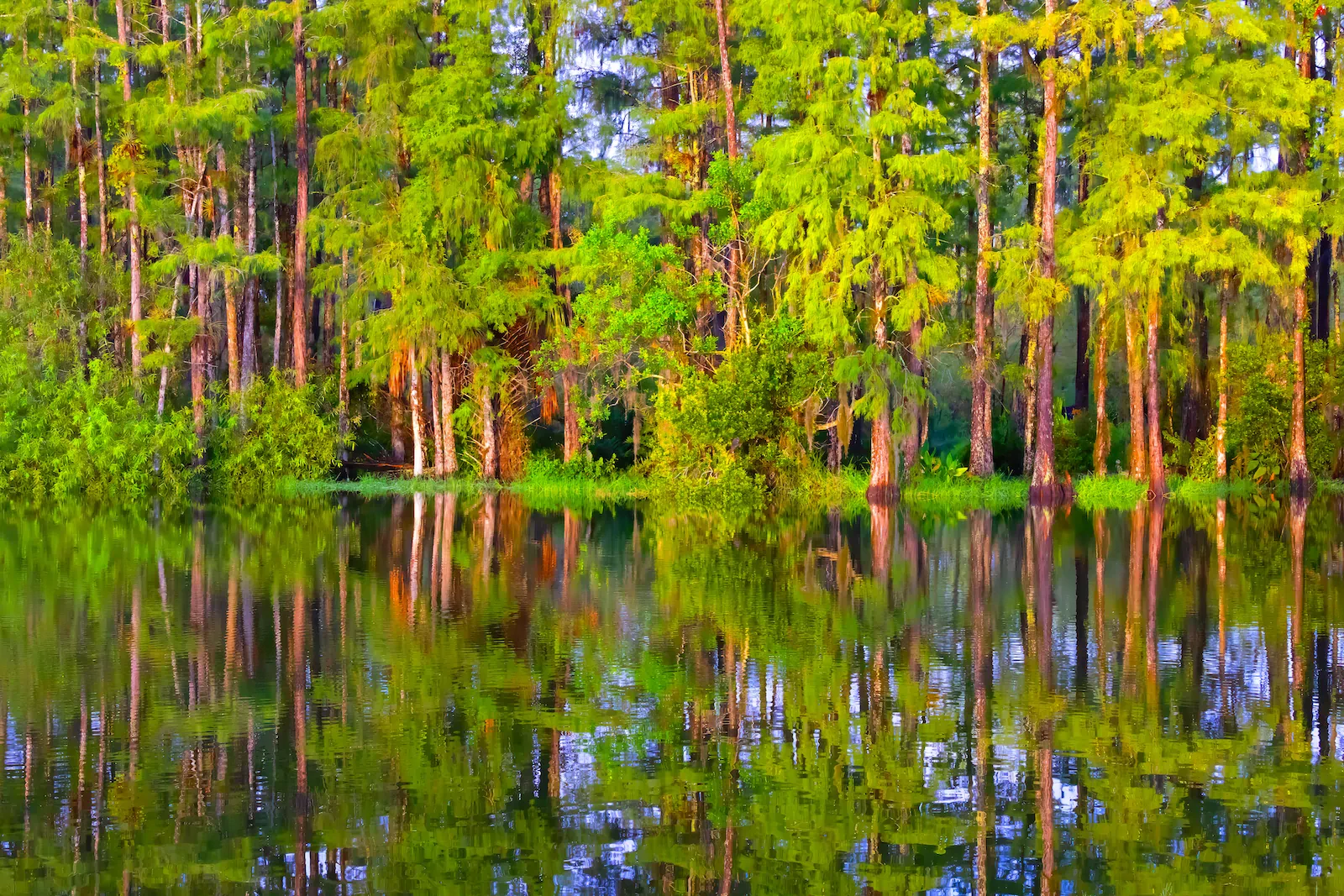
Water quality, flooding, and habitat loss are one connected system, and we should treat them that way. Protecting wetlands and flowways, strengthening stormwater planning, and moving septic to sewer where it matters most isn’t just environmental policy. It protects our homes, our health, and every job that depends on clean water, from tourism to fishing to boating.
It’s also the cheaper path. Conservation and resilience cost less than trying to engineer our way out after we’ve paved everything over.
Let's get to work.
Add your name, lend a hand, or chip in. Every bit of it moves this forward.